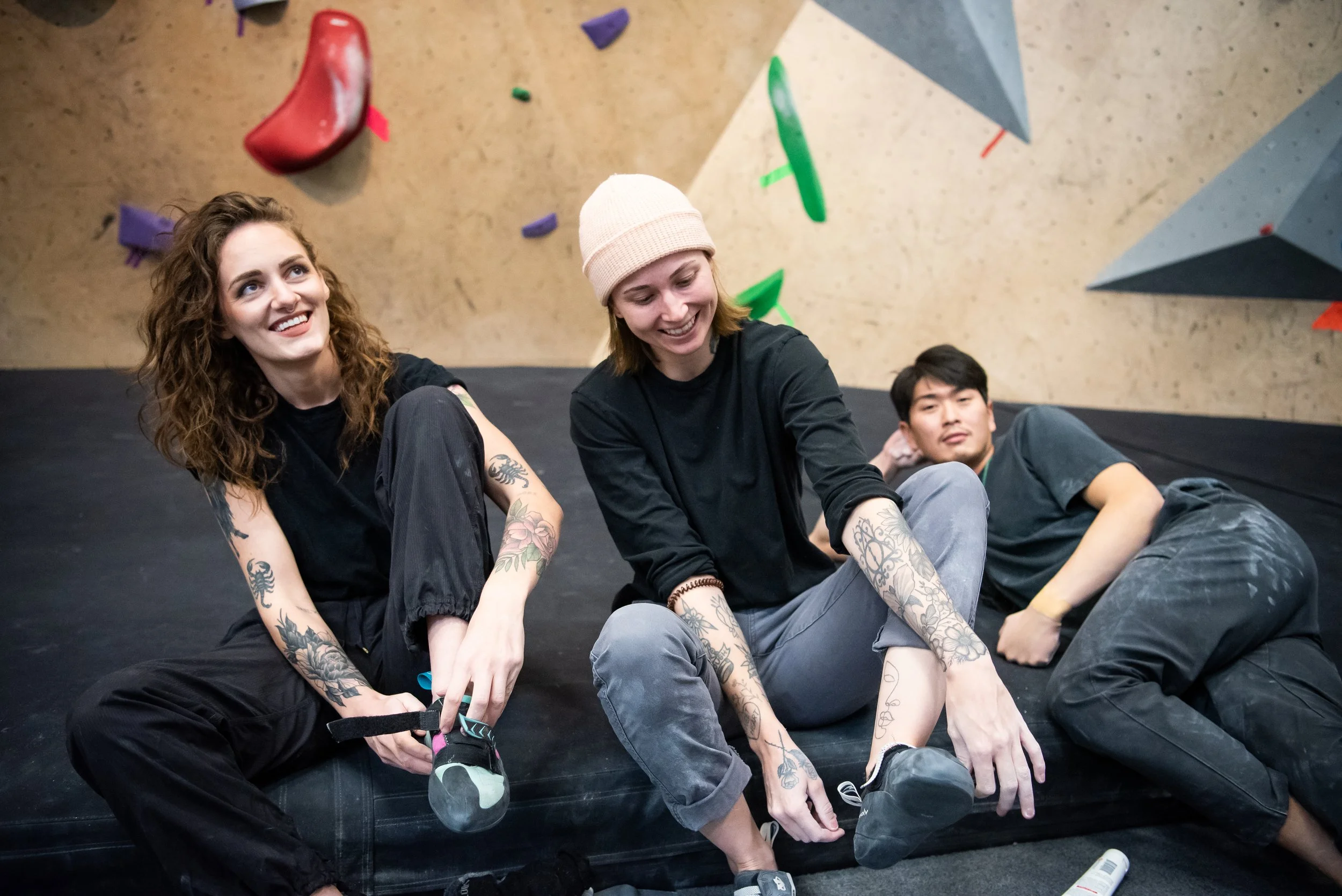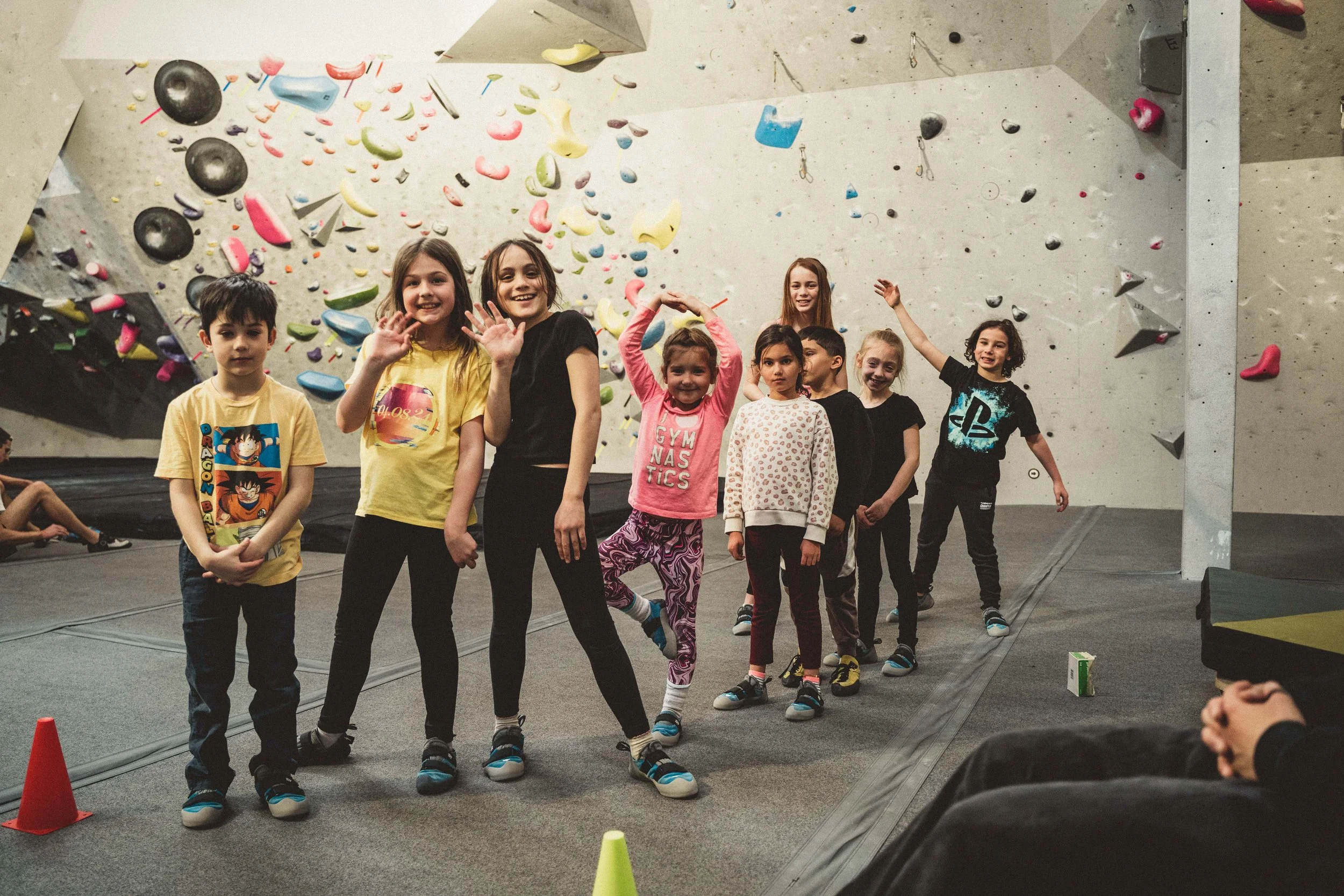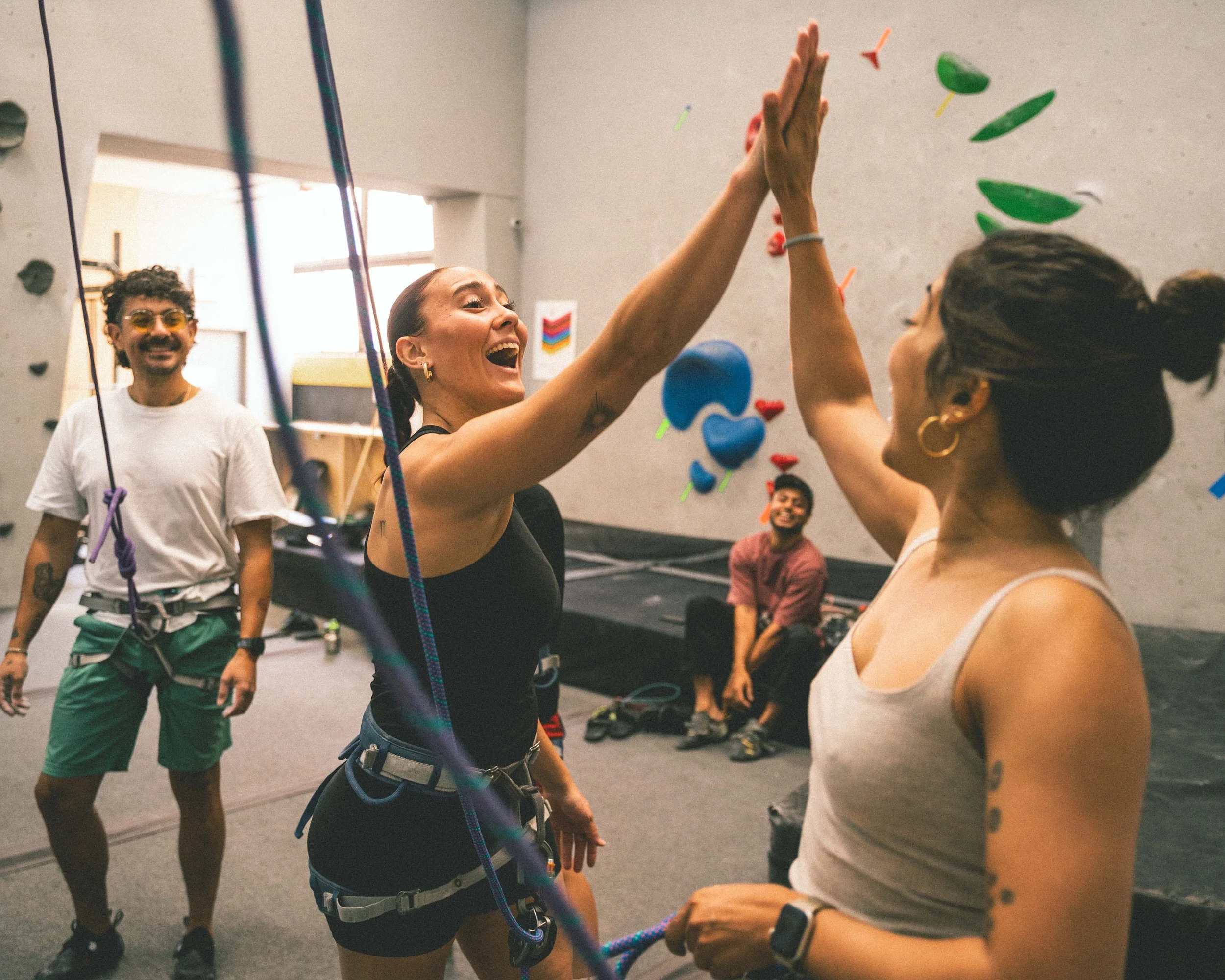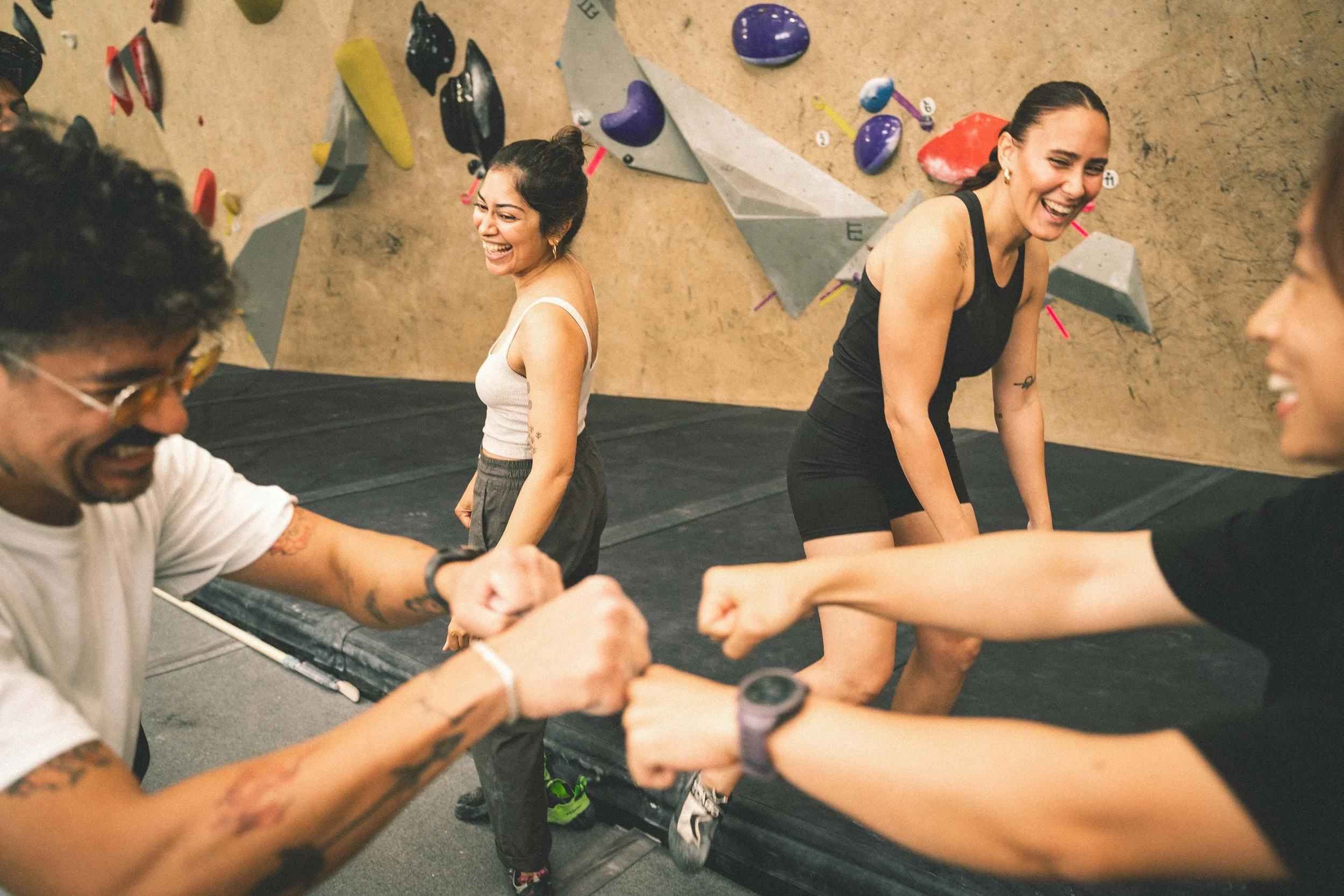
TL;DR: Bouldering offers women a unique blend of physical and psychological benefits, from building functional full-body strength to fostering empowerment and mental clarity. While injury risks and pelvic floor considerations exist, the sport's low barrier to entry and problem-solving nature make it an exceptional choice for women at nearly any stage of life.
It's Not Just About Upper Body Strength
There's a persistent myth that climbing is primarily an upper-body sport, and that women need to "catch up" to men in the strength department. The reality is quite different.
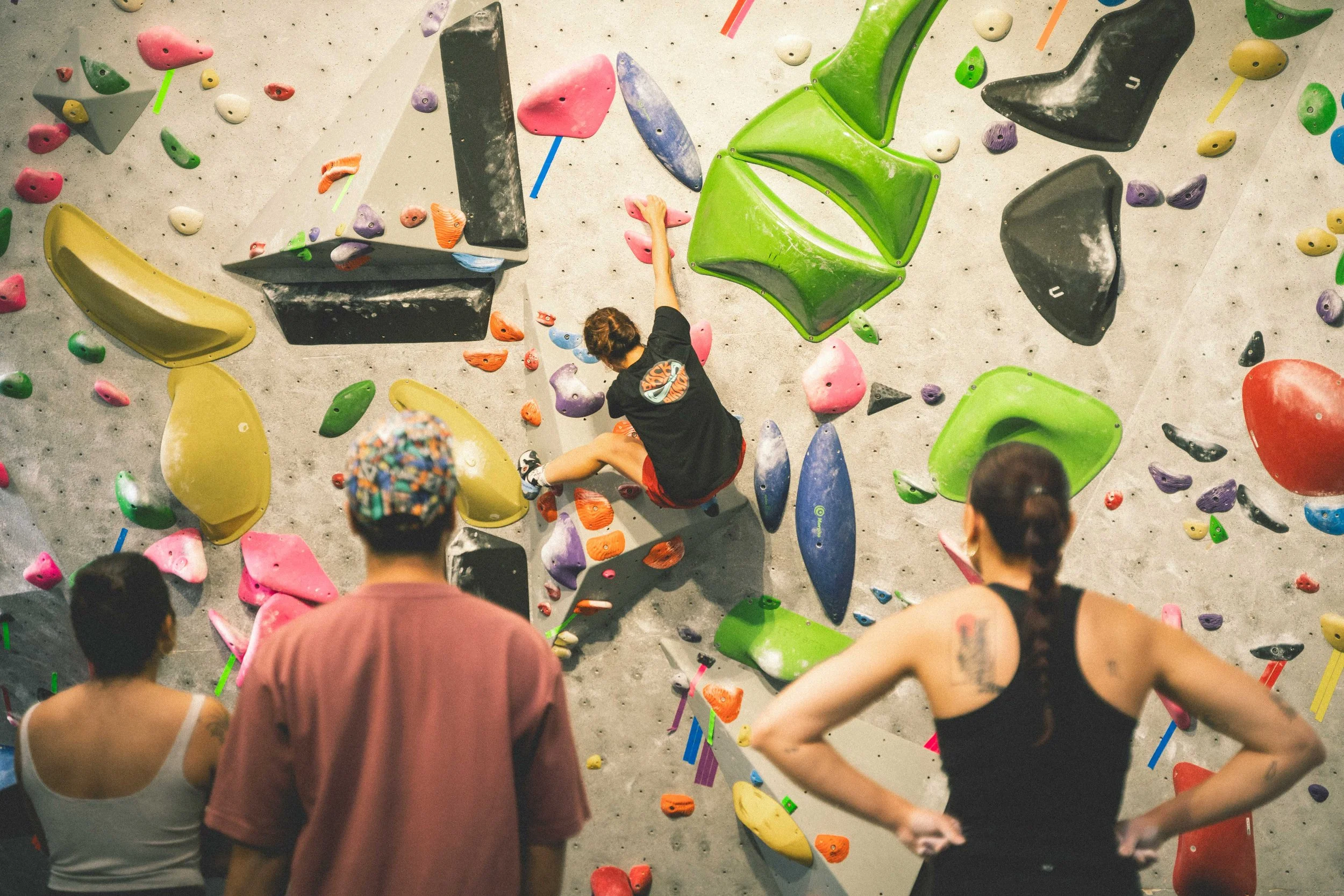
As climbing coach Hartwell notes, women often excel at climbing because "they have more mobility, it requires a lot of flexibility," and the power actually comes primarily from the legs. Bouldering is a thorough full-body workout: your lower body propels you upward, while your back, core, and shoulders stabilize you on the wall. It's particularly beneficial for those who sit at a desk all day, as it opens up the back and spine in ways that traditional gym exercises often don't.
The Empowerment Effect
Perhaps the most compelling and least discussed benefit of bouldering for women is psychological. Research has consistently shown that rock climbing is associated with improved well-being, self-efficacy, and resilience. A current study is examining how bouldering specifically influences self-efficacy and psychological empowerment among women, hypothesizing that the dynamic nature of climbing, including problem-solving, trust, social support, and overcoming challenges, uniquely supports these outcomes.
The theory is that feelings of empowerment in one setting can transfer to another. When you solve a bouldering problem that seemed impossible moments before, you're not just training your muscles. You're training your brain to approach life's obstacles with the same problem-solving mindset.
What the Research Says About Training
A 2024 randomized controlled trial specifically examined female climbers and found something encouraging: both on-the-wall and off-the-wall training produced high exercise enjoyment and intrinsic training motivation. In other words, women actually enjoy this form of exercise, which matters enormously for consistency.
The study also found trends toward positive effects of off-the-wall training on climbing-specific strength and on-the-wall training on technique, suggesting that female climbers should rely on personal preferences when designing their training approach. There's no one-size-fits-all formula.
Mental Health: "Climbing Is Meditation for Me"
The mental health benefits of bouldering are increasingly recognized. Climbers describe the sport as a form of active meditation. When you're on the wall, your thoughts become quiet and focused. One climber described it this way: "When I'm climbing, my brain feels 'safe.' My thoughts are quiet and focused. I don't get that experience anywhere else."
For women navigating life transitions such as postnatal depression, menopause, or work-related stress, bouldering has emerged as a surprisingly effective outlet. The combination of physical exertion, problem-solving focus, and the "badass" feeling of conquering a challenging route creates a mental reset that's hard to replicate.
A Note on Safety and Injury Prevention
Bouldering isn't without risks, and women should be aware of gender-specific considerations. A 2024 survey of over 1,500 climbers found that women most commonly experience shoulder injuries, while men's injuries cluster around fingers. This difference may relate to training focus and climbing style, suggesting that women might benefit from incorporating antagonist muscle training, such as push-ups and resistance band work for shoulders, to balance the pulling-heavy nature of climbing.
Pelvic floor health is another consideration. A 2025 study found that female climbers demonstrated higher rates of pelvic floor disorders than a normative population, with rope climbers at higher risk than boulderers. Interestingly, bouldering's typically shorter falls and less sustained loading may offer some advantage here. Regardless of discipline, clinicians should be aware of the need for pelvic floor screening in active women.
Nutrition Matters More Than You Might Think
If you're bouldering regularly, fueling properly is non-negotiable, and research suggests many female climbers are falling short. A study of elite female climbers found a mean energy intake of about 2,039 kcal/day, with 77.5% failing to meet predicted energy requirements for moderate training. Inadequate energy availability can undermine both performance and long-term health.
The takeaway isn't calorie-counting but rather ensuring you're eating enough to support your training. Carbohydrate intake, in particular, is often lower than recommended among female athletes, yet it plays essential roles in hormonal balance, metabolism, and central nervous system function.
The Bottom Line
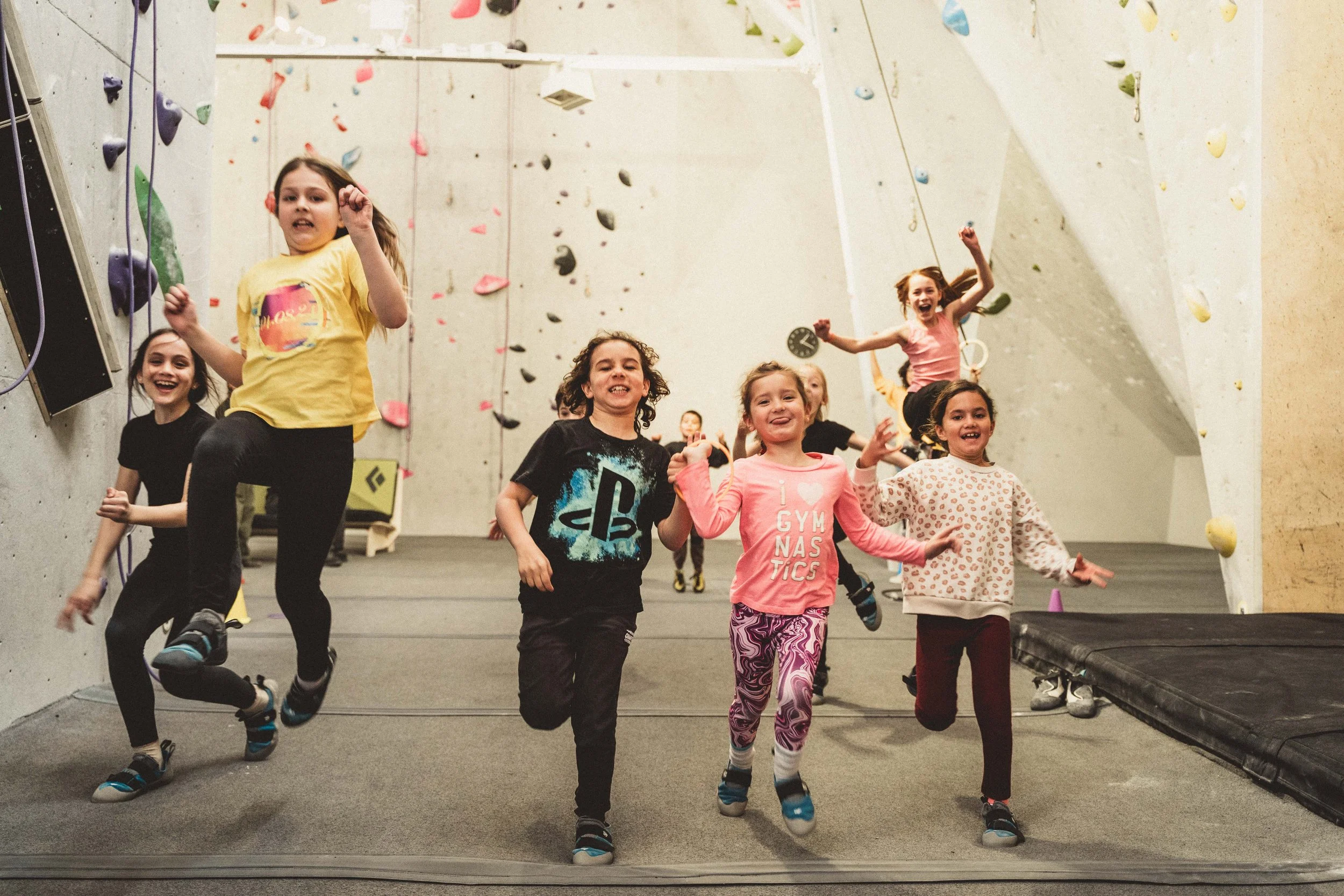
Bouldering offers women a rare combination: a full-body workout that emphasizes mobility and technique over raw strength, a mental challenge that builds confidence and problem-solving skills, and a community that celebrates collective progress. Whether you're a complete beginner or returning after a hiatus, the sport meets you where you are, and the research suggests the benefits extend far beyond the gym walls.