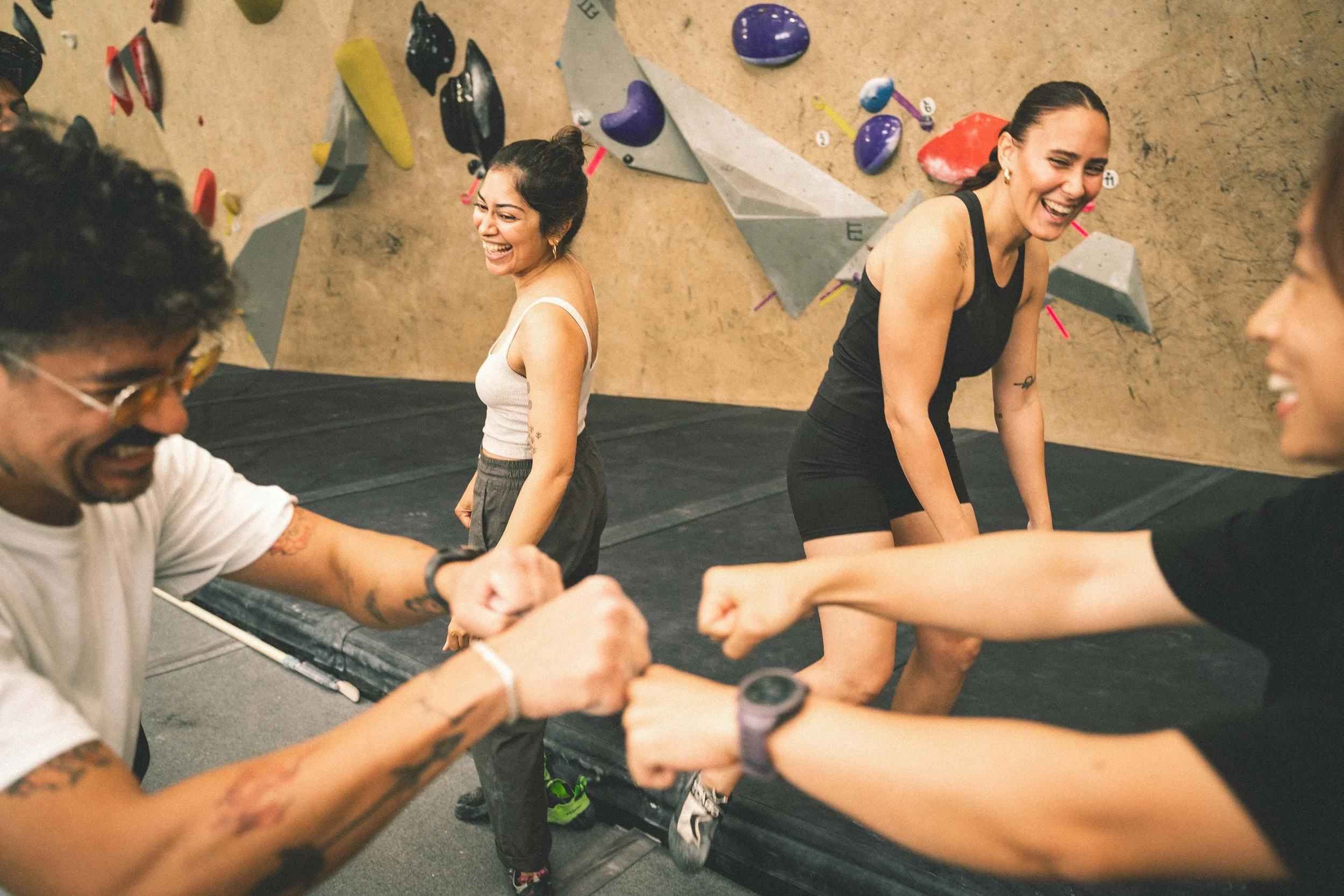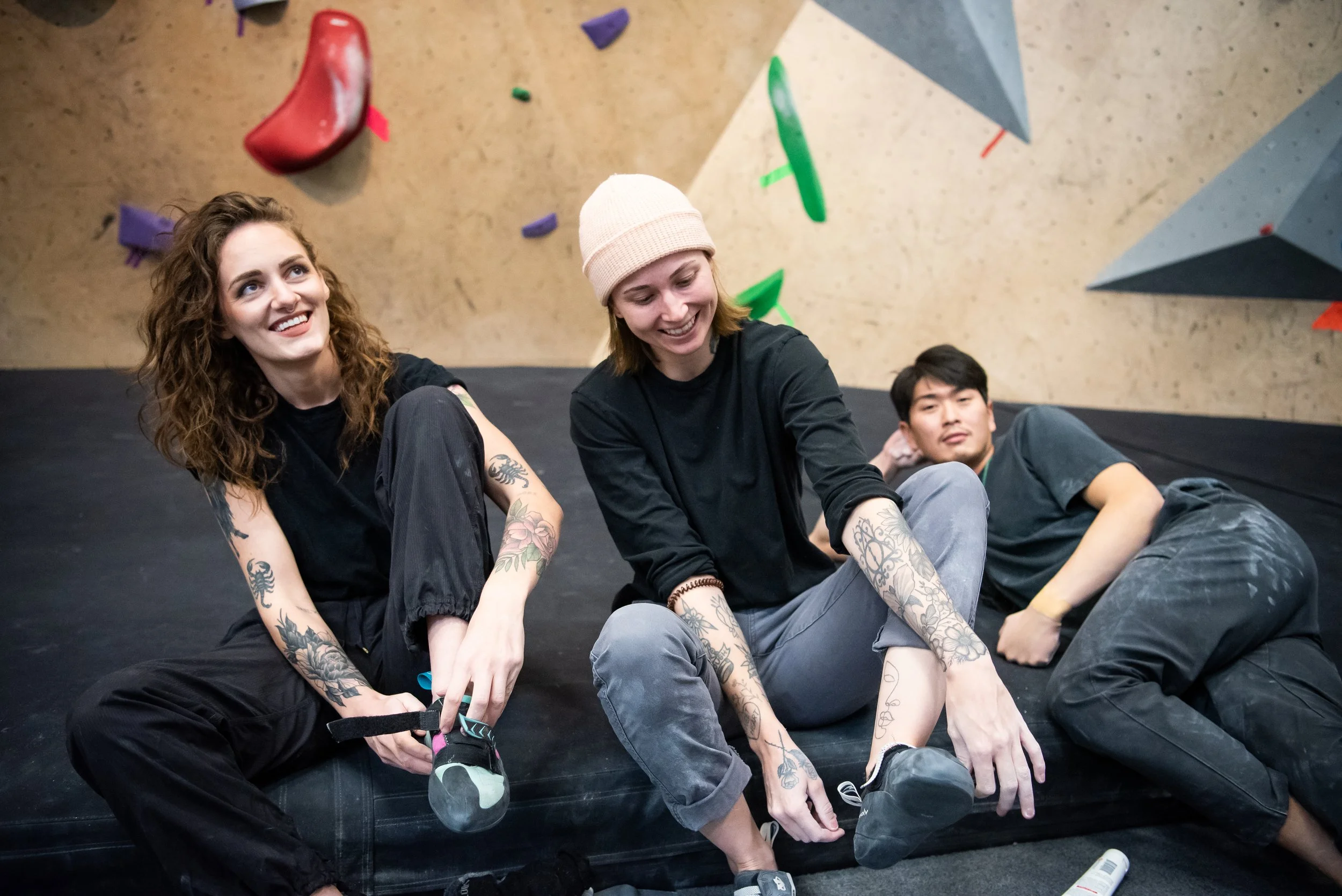
For decades, the image of a rock climber has been narrowly defined: a wiry, young athlete with bulging forearms, hanging one-handed from an overhang. It’s an intimidating picture, and it leads millions of people to write off climbing as "too extreme" or "not for me."
But step into any modern climbing gym on a weekday morning, and you’ll see a very different reality. You’ll see a 60-year-old retired teacher gracefully moving up a vertical slab, a new mom working on balance drills, and a teenager projecting a dyno. You’ll see a Paralympic hopeful in a wheelchair using a specialized harness, and an office worker huffing and puffing their way up a beginner route.
The truth is, rock climbing is not a single sport; it is a spectrum of movement. It is one of the few physical activities on the planet that scales infinitely to fit your age, your fitness level, and your goals.
Here is why climbing is the ultimate lifelong sport for everyone.
1. The "Automatic" Scalability (Grading)
In climbing, we use a grading system (like the V-scale for bouldering or YDS for rope climbing). These numbers are not just for ego; they are a menu. If you are a beginner, you start at a 5.6 or a VB. These routes are designed like ladders—big handholds and big footholds.
As you get stronger, you move up. Crucially, as you get older, you can move down. The beauty of the gym is that you don’t have to keep up with the 20-year-old next to you. You choose the color of the tape that matches your energy for that day. Some days you climb hard; some days you climb easy and focus on flow. The wall doesn’t judge; it just provides the opportunity.
2. For the Over-40s: Low Impact, High Reward
As we age, high-impact activities like running or basketball can take a toll on our knees and backs. Climbing is a low-impact, weight-bearing exercise. It is a pulling sport, whereas most of life (and other sports) involves pushing.
Joint Health: Climbing strengthens the tendons and ligaments around joints without the jarring impact of pavement.
Bone Density: As a weight-bearing activity, it helps fight osteoporosis.
Cognitive Health: Climbing is often called "physical chess." Figuring out the sequence of moves keeps your brain engaged, improving neuroplasticity and problem-solving skills—a fantastic workout for the aging mind.
Pro Tip for seniors: Focus on slab climbing (less steep walls) and vertical faces. These rely more on balance and footwork than upper body brute force.
3. For the "Out of Shape" Beginner: You Don't Need Pull-Ups
The biggest misconception is that you need to be strong to start. You don’t. You need legs.
Climbing is 70% legwork. The primary goal is to stand up on your feet (your legs are the strongest muscle group in your body) and use your arms primarily to maintain balance. When you first start, you will use your arms too much (we all do), but as you learn technique, you realize that good climbing is about shifting your hips and pushing with your quads.
If you can walk up a flight of stairs, you have the baseline strength to climb a beginner rope route.
4. Adaptive Climbing: No One is Left Behind
Perhaps the most beautiful aspect of modern climbing is the adaptive community. Climbing is highly accessible to those with physical disabilities.
Visually impaired: Climbers climb with sighted guides who use tactile cues and verbal instructions.
Upper limb differences: Climbers use creative "parkour-style" techniques or specialized prosthetics.
Lower limb amputees: Many climbers use a single leg or no legs, relying on immense core and upper body strength to pull through. In fact, the first amputee to climb El Capitan, Mark Wellman, did it decades ago.
Paraplegics: With the use of "hauler" systems or specialized team setups, individuals in wheelchairs can experience the thrill of vertical ascent.
The climbing community is overwhelmingly welcoming and innovative, finding ways to get everyone up the wall.
5. For Kids: The ADHD Antidote
For children, climbing is a powerhouse of development. It builds proprioception (body awareness), improves focus, and teaches risk assessment in a controlled environment. It's a physical outlet that rewards problem-solving just as much as athleticism, making it perfect for kids who might not thrive in traditional team sports. Plus, with auto-belay devices, they can climb independently from a young age, building confidence with every clip.
6. The Social Aspect: A Generational Meeting Point
Where else do you see an 8-year-old giving beta (advice) to a 50-year-old banker? Climbing breaks down age barriers. Because the challenge is against the wall, not against each other, the gym becomes a collaborative space. You cheer for everyone who reaches the top, regardless of their age or the difficulty of the route. It fosters a sense of community that is rare in modern fitness culture.
How to Start (Regardless of Age)
Take a Class: Don't just rent shoes and jump on. Take an introductory belay class. Learning how to fall and how to use the ropes will give you confidence and safety.
Rent, Don't Buy: Climbing shoes should fit tight. Let the gym staff help you find a beginner pair that doesn't hurt your toes.
Start with Ropes: While bouldering is cool, it is more powerful and demanding. For absolute beginners and older adults, Top-Roping (where the rope goes up to an anchor and comes back down) is the safest and most enjoyable way to start.
Hydrate and Stretch: Like any exercise, warm up your wrists and shoulders before pulling on plastic.
The Final Takeaway
Rock climbing is not about being the strongest or the youngest. It is about moving your body in three-dimensional space, solving puzzles, and connecting with a supportive community.
Whether you are 8 or 80, 100 lbs or 300 lbs, a marathon runner or a self-proclaimed couch potato, there is a route on that wall with your name on it. The only real requirement is the willingness to try.
So, let go of the fear. Clip in. Take a deep breath. And take the first step up. The summit is waiting, no matter your age.